Shared reading is a time when students and teachers experience a real sense of community.
Students feel like readers, as they “read” and enjoy big books and poems on large chart paper. The teacher points to the words as the children “read” in unison. This allows children to experience the joy of feeling like readers even on the first day of school. To make the experience even more worthwhile, look for “skills in context”!
During shared reading, we talk about where these letters occur in each word and say the words slowly to notice where we hear the sounds. This allows students to see the reason we are learning the sounds of the letters… to learn to read! Phonics is the key to reading success!
As students locate a particular letter within the context of a big book or a poem on large chart paper, they see phonics in the context of reading.

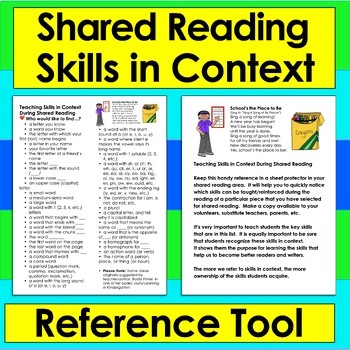
As the year progresses, we find blends, digraphs, rhyming words, sight words, compound words, contractions, etc. You can differentiate by doing that from day one and direct your questioning for more complex items to the students you know are capable of responding. Here is a FREE reference sheet that contains a list of things you might ask students to locate during shared reading.
I use removable highlighting tape to locate the letters on the large poem charts and in big books. I suggest using the WIDE tape, so that items can be highlighted more visibly. I cut them in a variety of sizes and place them on a laminated piece of construction paper. We peel them off as needed and then put them back onto the laminated paper after we have finished a highlighting session. Amazon also sells refills in light green, yellow, purple, and blue. These can be used over and over again during Shared Reading.

I have also used “frames” in a variety of sizes to “frame” letters and words of varying sizes. You can create them by cutting out rectangles of card stock and then cutting a window within the rectangles to create frames. The frames can be taped onto a ruler. Ask students to come and “frame” particular letters, words, punctuation, phonemes, etc. during shared reading.
Students can also be asked to find the letters, phonetic elements, or words in individual copies of the poems, using a highlighter.
A balanced approach to literacy should incorporate phonics into meaningful context and give students a purpose for learning phonics.
Students need the necessary drill and practice to master phonics as well.
Be sure to checkout my other blog posts on Phonics here.
If you have not downloaded my FREE Presentation with Phonics as the Key to Balanced Literacy, you can do so here. It explains many procedures and strategies that I use in my classroom.
It also has over a dozen FREEBIES as well as promos for other resources you might find helpful.

Here is a set of Back to School Poems that you can use for Shared Reading.
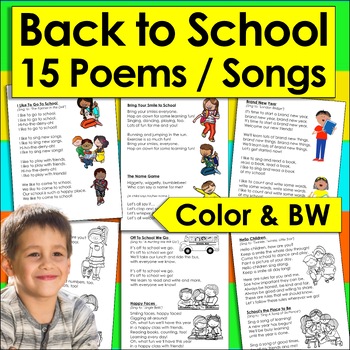
This resource includes 15 poems in color and blackline. You can choose the ones you like best. They are perfect for back to school!
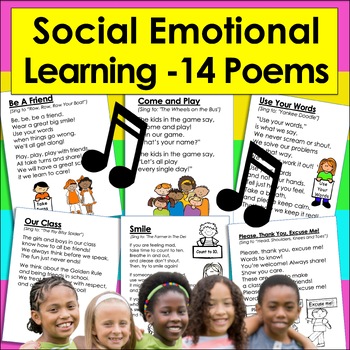
My Social Emotional Learning poems below will also help you set the tone for your new school year and help to develop a community of learners. ❤️
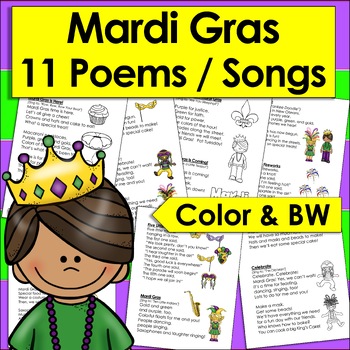
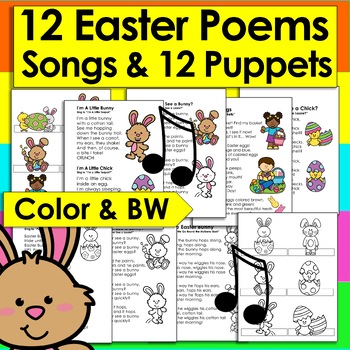
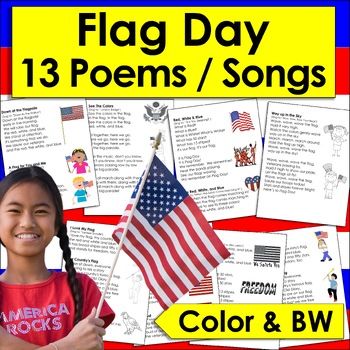
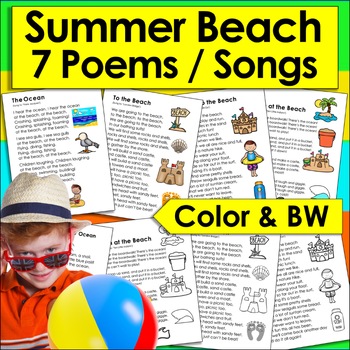
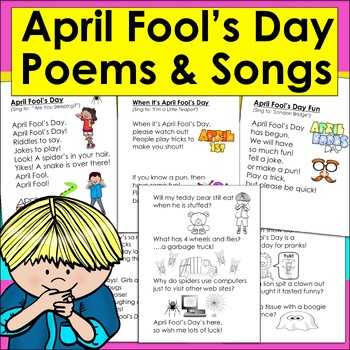
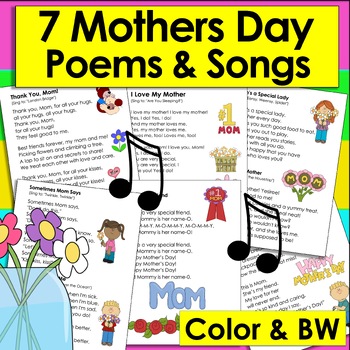
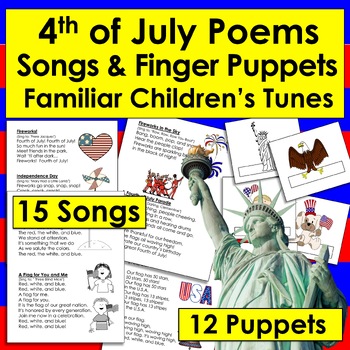
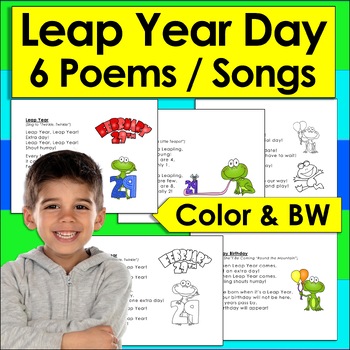
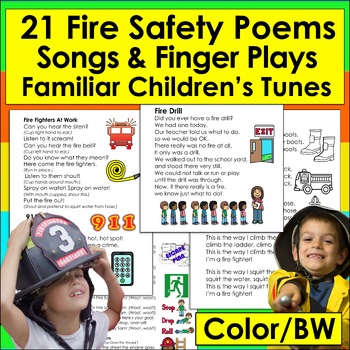
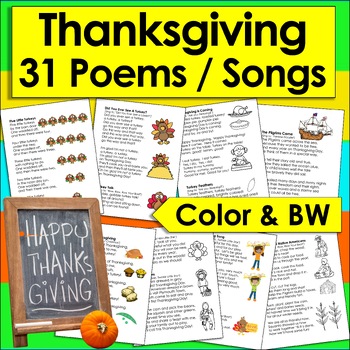
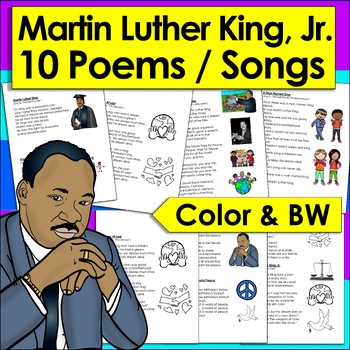
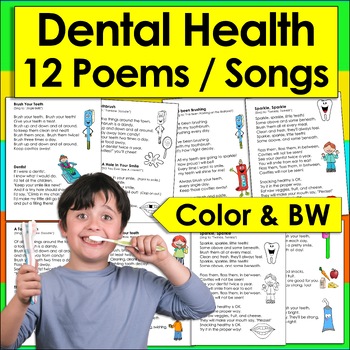
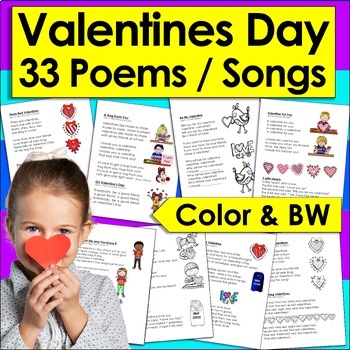
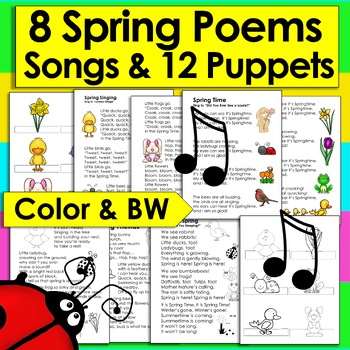
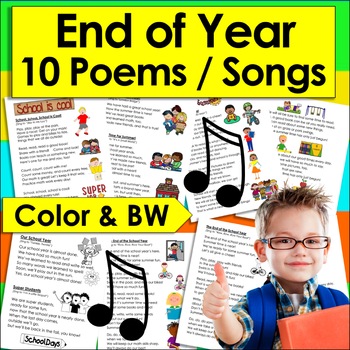
Below you will see a variety of poems for almost every holiday, topic and season! These can be used year after year for shared reading activities.